Preventing Winter Water Damage: A Guide for Commercial and Residential Properties
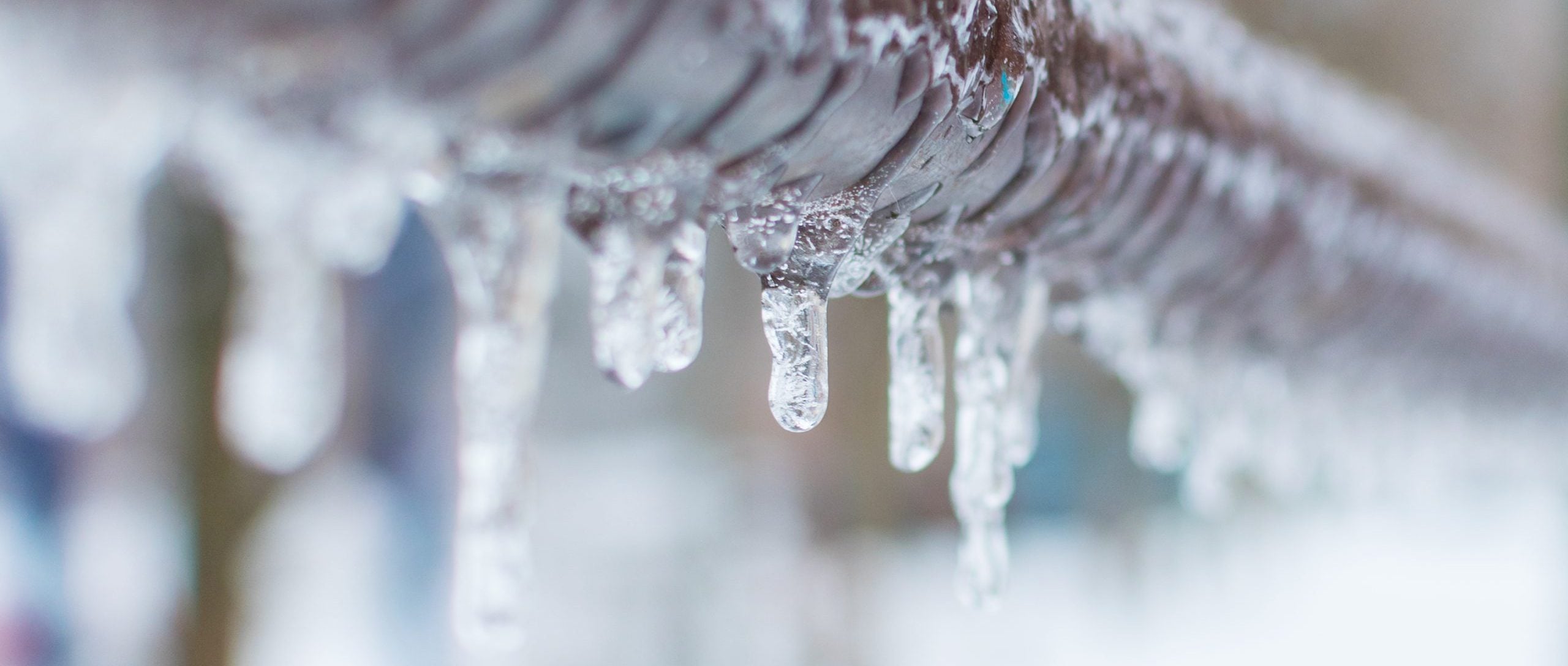
As temperatures drop, both commercial and residential properties face significant risks from winter weather. Frozen pipes, ice dams, roof leaks, and poor drainage can lead to costly water damage if not addressed proactively. Whether you manage a large building or own a home, taking preventive steps now can save you from major headaches later.
Common Winter Water Damage Risks
- Frozen Pipes: When water freezes inside pipes, it expands and can cause pipes to burst, leading to flooding.
- Ice Dams: Melting snow that refreezes at the roof’s edge can block drainage and force water under shingles.
- Roof Leaks: Damaged shingles or flashing allow water intrusion during snow and ice buildup.
- Poor Drainage: Blocked gutters or improper grading can cause water to pool near foundations.
- Moisture Intrusion: Drafts and condensation can lead to mold growth and structural damage.
Proactive Steps for Both Homes and Businesses
Protect Pipes from Freezing
- Insulate exposed pipes in basements, attics, garages, and exterior walls.
- Seal gaps around windows, doors, and pipe entry points.
- Let faucets drip during extreme cold to keep water moving.
- Open cabinet doors to allow warm air to circulate around pipes.
- Disconnect outdoor hoses and shut off exterior water supply.
Maintain Roofs and Gutters
- Clean gutters and downspouts to prevent ice dams and overflow.
- Inspect roofs for missing shingles, cracked flashing, or drainage issues.
- Ensure proper attic insulation and ventilation to maintain consistent roof temperatures.
- Consider installing heated cables along roof edges in ice-prone areas.
Check Windows and Doors
- Inspect and replace damaged weatherstripping or seals.
- Caulk gaps to prevent drafts and moisture intrusion.
- Use storm windows or plastic film for added insulation.
Improve Drainage
- Ensure ground slopes away from the foundation.
- Clear exterior drains and grates of debris.
- Extend downspouts to direct water at least 3–4 feet away from the building.
Manage Interior Humidity
- Use dehumidifiers to maintain humidity between 30–50%.
- Run exhaust fans in kitchens and bathrooms.
- Keep air circulating to reduce condensation.
Prepare for Snow and Ice
- Remove snow from rooftops and walkways regularly.
- Use non-corrosive ice melt products to prevent slipping hazards and surface damage.
Inspect and Service Systems
- Schedule HVAC maintenance before winter begins.
- Check plumbing for leaks and repair immediately.
- Test sump pumps and ensure backup systems are ready.
Create an Emergency Response Plan
- Know how to shut off your water supply quickly.
- Monitor weather forecasts and prepare for severe cold snaps.
- Have BluSky’s emergency contact information handy for immediate assistance.
Why BluSky?
BluSky Restoration Contractors provides 24/7/365 emergency response for winter weather damage. From burst pipes to roof leaks, our team is ready to restore your property – commercial or residential – quickly and professionally.
📞 Call us anytime for immediate help: 800-266-5677
🌐 Learn more: www.goBluSky.com