From Salvage to Shine: Restoring Furniture and Belongings After a Flood
The rate of floods throughout the United States has increased over the years, with the new average being about 13 per year. Despite early warnings, there isn’t always enough time to fully safeguard your home from potential damage. The sheer force of floodwaters can often render even the most proactive measures ineffective.
The good news is that restoration techniques are available to restore your home, including what’s in it, after a flood. This blog will explore flood damage restoration and answer the most commonly asked questions about what can be saved, how it can be restored, and why hiring a professional is paramount to salvaging your personal belongings.
Assessing the Damage: What Can Be Saved?
After hiring a flood damage restoration technician, their first step upon entering your home will be to assess the damage. This process starts by removing standing water. Once that’s gone, it will be time to determine the status of your personal belongings.
Typically, when it comes to belongings, books, documents, paintings, and any other paper or absorbent materials suffer the most water damage. While you may believe these items are unsalvageable, prompt treatment may give them a second chance at life.
Books and documents, for example, can be restored by freezing them. This method halts mold growth and further water damage until treatment can begin. Furniture, including upholstered items, can also be salvaged after a flood if treated promptly (but more on this later).
Although some items may be salvageable after a flood, items like medication and food must be discarded. Clothing, furniture, and books are often more difficult to save, as they are commonly discolored or too saturated to restore.
Keep in mind that during this evaluation, your technician is not only determining what can be saved but also assessing the impact of the floodwater. Because flood water can carry harmful toxins, anything that has been heavily contaminated should be thrown away to safeguard the health of you and your loved ones.
Initial Steps for Flood-Damaged Furniture
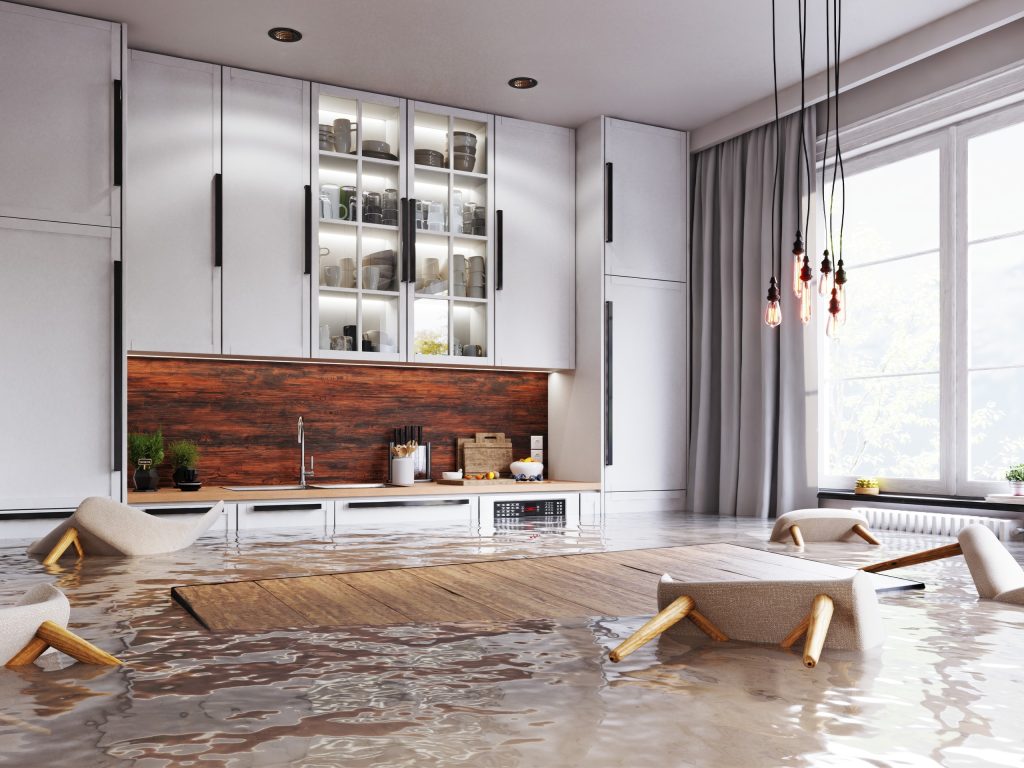
Depending on the furniture’s material, water can do significant damage. It’s not uncommon for wooden bookcases, coffee tables, or nightstands, for example, to bloat and warp from untreated water damage. Because of this risk, prompt restoration is recommended. Here are the steps for restoring flood-damaged furniture:
Cleaning and Disinfecting Belongings
If your restoration company believes your furniture is salvageable, the first step might not be what you think!
Before your tech cleans and disinfects an item, they will ask you to take pictures of the damage so you can send them to your insurance company. Once the furniture is restored, you won’t be able to claim it as damaged in a flood. This step is integral but often overlooked when homeowners try to tackle flood restoration independently.
Once you’ve taken photos of the damaged item, the next step is to clean and disinfect it. Because floodwaters carry mud and dirt, these will be gently wiped away first, typically with soap, water, and other specialty cleaners. While some of your furniture may be able to wait a little while before they’re cleaned, wooden furniture is usually not salvageable if it sits for more than 24 hours.
Drying Techniques for Furniture and Belongings
Once damaged items in your home, whether furniture or personal belongings, are cleaned, they must be thoroughly dried. The drying process varies depending on the type of item.
Leather, for example, is dried most effectively with a fan, while upholstered couches fare better with a combination of fans and dehumidifiers to grab excess moisture. Metal furniture isn’t as severely affected by floods since it doesn’t absorb water; however, it should be moved to an open-air environment to dry and combat rust. After being washed, other personal items like clothes, curtains, and comforters will be dried as normal, but they should be careful not to be dried directly in sunlight, as that can foster mold growth.
On the whole, most salvageable household items, including furniture, will be blotted dry and then put in an environment that employs dehumidifiers to grab excess moisture and fans to control air quality, as these are the two most efficient and successful drying methods, regardless of material.
Restoring Wooden Furniture and Upholstery After a Flood
Typically, restoring wood and upholstery furniture requires a few additional steps in the cleaning and drying processes. For wood, specifically, since it can absorb water, your technician might have to take it apart to dry and assemble it. This restoration process ensures that the water is completely removed and that nothing is left that can promote mold growth. Remember, mold growth needs moisture, humidity, and a food source to grow—three things that wet wood provides!
For upholstered furniture, such as headboards, couches, loveseats, and armchairs, your technician will usually employ similar tactics but disassemble them and remove pillows or zipper cushions. Once these separate elements are washed, the bones of upholstered furniture are usually steam cleaned and put in areas with dehumidifiers to grab excess moisture before they’re reassembled.
While these are added steps in the furniture restoration process, they only take a couple of days or weeks at most, depending on the extent of the damage.
DIY vs. Professional Restoration Services
Based on the steps listed here, you might be tempted to tackle flood damage restoration yourself. After all, dissembling your couch to wash the cushions might be something you do regularly anyway.
While this argument may be justified, the reality is that furniture restoration after a flood is a lot more time-consuming and extensive than it might initially look. Here are four reasons why it’s better to hire a professional to handle your restoration services after a flood instead of attempting to do it yourself:
1. Better Chance at Restoring Meaningful Items
Sure, you can replace your couch or a desk. However, there are likely lots of items in your home that have sentimental value. By hiring a professional, you can get more hands on deck to save these items, preventing further damage that might occur if you tried tackling it all yourself and delaying the repairs.
The more people you have to save and restore your items, the greater the possibility that you’ll get to keep items that mean the most to you and would otherwise be irreplaceable. Plus, professionals know the top methods of preserving waterlogged items, which can save time, money, mistakes, and frustration.
2. Less Interruption
Just because your home suffers a flood doesn’t mean the responsibilities in every other area of your life slow down. Even if you get to take some time off work, flood damage restoration cannot happen in a couple of hours. The restoration process is likely a project that will last weeks or months, depending on the severity of damage. Trying to balance restoring your belongings while trying to deal with your insurance company, go to work, attend classes, or tend to your family can be a lot. Hiring a professional takes a big responsibility off your shoulders, so you don’t get overwhelmed.
3. Know What is Safe to Save
As mentioned earlier, flood waters contain toxins, but it’s not always easily discernible what should be saved and what shouldn’t. Professional restoration teams have a keen eye, in addition to experience and training, to spot what’s salvageable and what isn’t. This simple step can protect you from accidental harmful exposure, ensuring your safety and peace of mind.
4. They Have Proper Equipment
Last but not least, when you hire a professional, you can rest assured that professional-grade equipment is being used to restore your home. Things like air movers, dehumidifiers, ozone machines, and fans cost a lot of money to buy, let alone rent for an extended period. Your restoration tech will arrive at your home with these items in tow, saving you money and guaranteeing a comprehensive cleaning.
Save Your Home and Your Furniture With Quality Flood Damage Restoration From BluSky!
No one wants to deal with a flood, but if you find yourself in this unique situation, don’t panic. At BluSky, our restoration technicians have years of experience restoring furniture and other personal belongings after a flood so you can return home safely. Contact us today at 800-266-5677 to speak with one of our team members.