Hidden Dangers: Secondary Effects of Water Damage and How to Address Them
As a homeowner, you may encounter water damage. Water damage requires prompt attention and is caused by various factors, including floods, burst pipes, and natural disasters. If left untreated, it can have severe consequences for not only your home but also your health.
This blog will explore the hidden dangers water damage brings and what you need to do to address them.
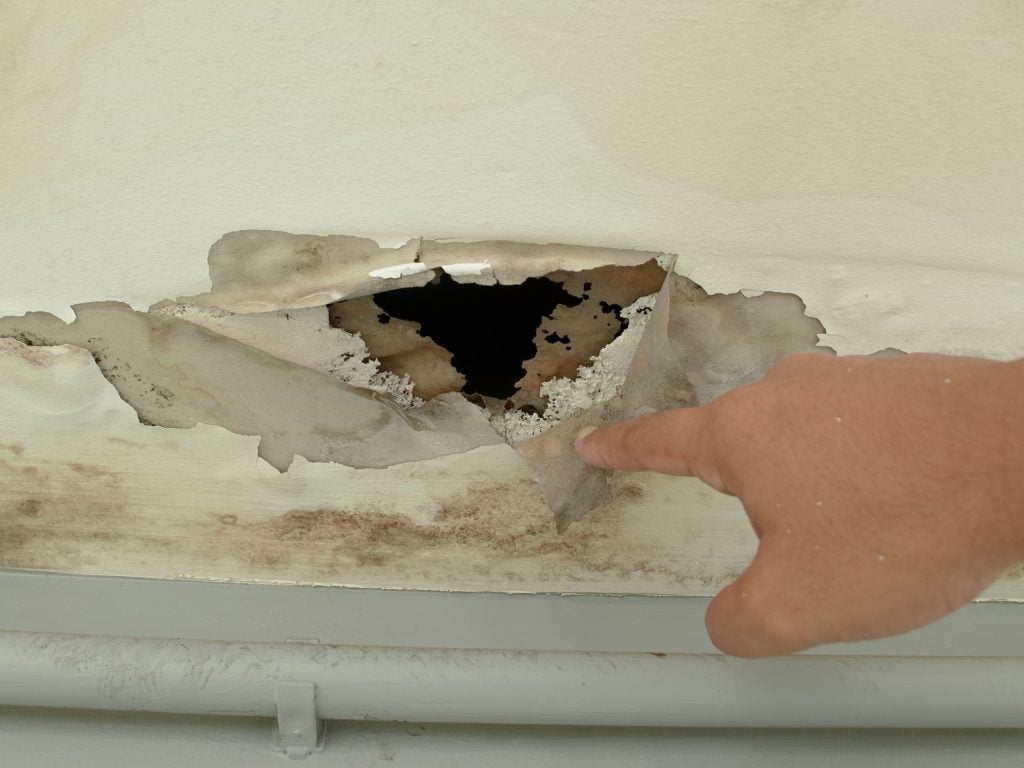
7 Common Effects of Water Damage
Unfortunately, once water damage strikes, it can lead to a domino effect of secondary issues. The good news, however, is that promptly treating water damage can help mitigate these common issues. Below are seven of the most common secondary problems caused by water damage.
1. Mold and Mildew Growth After Water Damage
Mold and mildew growth after water damage aren’t just a possibility; they are a guarantee. Mold (if exposed to the right environment) can develop and start spreading in as little as 24 hours after water damage.
With water damage comes an increase in moisture and humidity—two things mold needs to grow. Mold will start growing as long as it has an available food source (mold can thrive on almost any type of surface). Unfortunately, after experiencing water damage, you’ll likely stumble upon different mold types, including mildew, Aspergillus, and Stachybotrys.
Ideally, you’ll want to dry any wet areas to inhibit mold growth. However, this may not be feasible after hurricane or flood damage. Until help arrives, try removing as much water as possible and opening a window to get a cross-breeze; this will help reduce the air’s moisture.
2. Structural Damage from Water Intrusion
In addition to mold damage, you should also expect structural damage as a result of water intrusion.
Structural damage occurs in many ways, including collapsing walls caused by wet drywall, weakened support beams, rotted floorboards, and even damaged wood caused by an infestation of termites (more on that below).
In addition to these structural issues, water damage can lead to bubbling or cracked paint, peeling wallpaper, yellow or brown wall stains, shifting windows and door frames, and sagging ceilings. It can also damage metal structures around your home by causing rust.
If water damage occurs in your basement or from a burst pipe enclosed in a wall, it can be easy to miss until the damage is already severe. Once you discover it, take photos of the damage for your insurance company and call a water damage restoration technician to make repairs.
3. Electrical Hazards from Water Exposure
Everyone knows that water and electricity don’t go together, and for good reason: it’s dangerous.
While you should never attempt to turn off the electricity to your home without the help of a professional, common electrocution injuries such as electric shock drowning are only part of the electrical hazards you may face after water damage.
Depending on the severity of the water damage and its location, you may be dealing with electrical fires and/or damage to the electrical equipment inside your home, such as your electrical panel. Once water gets inside the electrical panel, it can lead to corrosion. Corrosion can lead to a host of serious issues not limited to overheating, malfunctions, and, ultimately, fires.
If you have time to prepare for a natural disaster, invest in GFCIs or ground fault circuit interrupters. These can turn electricity off when signs of a ground fault, such as a burning smell or tripped breaker, are detected. Otherwise, the best course of action is to hire an electrician to safely shut off electricity to your home while waiting for your water damage restoration team to arrive.
4. Pests Attracted by Moisture
Though the types of pests that enter your home after water damage may vary depending on where you live, the most common include mosquitos, ants, silverfish, termites, and cockroaches.
These common infestations are caused by many of these pests being attracted to either water-soaked wood (such as carpenter ants) or moisture and humidity. For example, mosquitoes are attracted to areas with a high water density, as are termites, since, like humans, they can’t live very long without water. The longer you let water damage sit, the more likely you’ll have a new roommate (or two).
5. Damage to Insulation and Drywall
Remember that we mentioned earlier that mold can thrive on any surface? Well, one of those surfaces is drywall.
If water damage sits for too long and leads to mold growth, mold can seep into drywall, which is a naturally porous material. Once the mold is inside, it can damage the drywall’s structural integrity, which can cause it to collapse. The same applies to insulation. If water gets into your attic’s insulation, it renders it useless in regulating temperature and provides a hospitable environment for mold to thrive.
Once mold gets inside your home’s insulation, it can damage structural integrity. Mold inside your insulation could weaken your home’s support beams, forcing them to shift over time. These are just a few of the possibilities you could face, along with insulation and drywall trapping foul, musky odors and lowering your home’s property value.
6. Hidden Water Damage in HVAC Systems
Your HVAC system serves an essential function in your home by regulating temperature and maintaining indoor air quality. In the event of residential water damage, your HVAC system may be affected in several ways.
The first way your HVAC system may worsen your home’s water damage is due to wet insulation. Once insulation gets wet, it can develop mold if you don’t catch it right away. Once it does, the mold spores can be spread by your home’s HVAC system, leading to mold exposure throughout the house. This mold exposure can lead to common mold allergy symptoms, such as coughing, wheezing, and headaches.
The second issue stems from the water damage itself. When water damage occurs, it creates moisture in the air that can be picked up by your HVAC system, either leading to corrosion or short-circuiting. As mentioned above, corrosion of any kind can lead to fires if left untreated.
7. Lingering Odors
With water damage comes lingering foul odors. However, the scent may vary depending on the kind of water damage that occurred. Sewage backups, for example, may leave the smell of rotten eggs since the water is contaminated, while water damage resulting in mold growth leaves behind a strong, musky odor.
You can use a few DIY remedies to tackle harsh odors left behind from water damage, such as sprinkling baking soda around the affected room or turning on your overhead fan to reduce moisture in the air. However, the only tried-and-true way to get rid of lingering odors is to tackle the source of them, which is where hiring a professional comes into play.
Importance of Professional Water Damage Restoration
These side effects of water damage mentioned above are only the tip of the iceberg, but they highlight the importance of hiring a professional water damage restoration technician. As with anything, the longer water damage or its side effects go untreated, the worse they will become, leading to costly repairs and replacements down the road.
Here are a few of the biggest reasons why hiring a water damage restoration pro is paramount:
Mitigate Further Damage
The sooner you can get someone out to tend to water damage, the better off your home will be.
Your technician will be able to make repairs to the drywall, which could help eliminate the spread of mold and foul odors, as well as identify the source of the water damage so preventative measures can be taken moving forward.
Ensure a Healthy Environment
Not only can mold worsen existing respiratory issues like asthma and lead to the development of common allergy symptoms, but lingering smells can also increase anxiety levels, affect one’s ability to breathe, and cause nausea. Furthermore, being exposed to certain types of water can be extremely hazardous for one’s health.
Floodwaters, for example, are one of the most hazardous types of water because they contain toxins. Think about it: everything floodwaters touch, like chemicals and excrement, can eventually make its way into your house. Exposure to this type of water can lead to skin infections and bacterial infections like tetanus.
Getting prompt water damage restoration removes your continued exposure to dangerous waters.
It’s Handled Correctly, Leading to Peace of Mind
Last but not least, the most crucial reason to hire a professional to treat water damage is that doing so gives you peace of mind.
While many articles tout the ability to treat water damage yourself, the reality is that, at most, you only treat the damage on a surface level. Not only are regular household cleaners not strong enough to kill mold at the source, but there are so many steps involved in proper water damage restoration that’s best left to a professional.
Hiring a professional ensures that the water damage is treated properly so your home can return to normal.
Contact BluSky For All Your Water Damage Restoration Needs
No matter where in the United States you’re located, dealing with water damage is a shared experience. The good news is that you don’t have to face it alone.
BluSky’s water damage restoration techs can restore your home after it’s been affected by a flood, severe thunderstorm, hurricane, or other water intrusion. Call us today at 800-266-5677 to speak with a team member or find an office near you to schedule an appointment.