Winter Water Damage: Commercial Properties
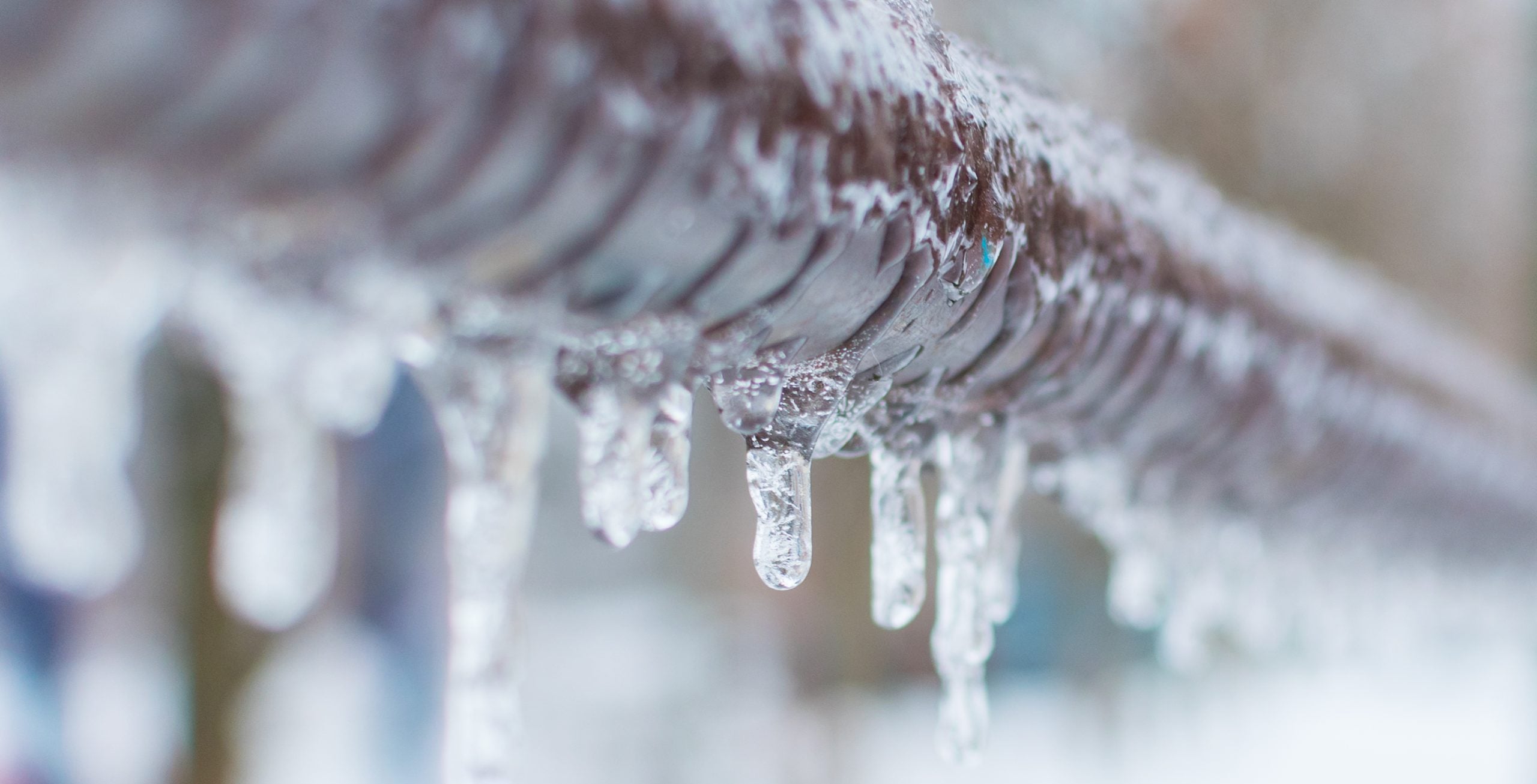
Protecting commercial buildings from winter water damage requires proactive measures to prevent issues like ice damming, freezing pipes, and moisture intrusion that can occur as temperatures drop. Here’s a comprehensive approach to winterizing a commercial building:
Inspect and Maintain the Roof
- Clean Gutters and Downspouts: Ensure that gutters and downspouts are clear of leaves, debris, and ice. Clogged gutters can cause water to back up, leading to ice dams and roof leaks.
- Inspect Roof for Vulnerabilities: Check the roof for cracks, loose shingles, or damaged flashing. If the roof is flat, ensure proper drainage systems are in place to prevent water from pooling.
- Insulate and Ventilate Attic Spaces: Ensure there’s adequate insulation and ventilation in the attic or roof spaces. This helps maintain even temperatures on the roof, reducing the risk of ice dams.
Prevent Frozen Pipes
- Pipe Insulation: Insulate exposed pipes, especially in areas that are prone to freezing, such as basements, attics, and exterior walls. Use foam pipe insulation, heating cables, or heat tape where necessary.
- Drip Faucets: During extremely cold weather, allow faucets to drip slightly to keep water flowing and reduce the likelihood of pipes freezing.
- Seal Cracks and Gaps: Seal any gaps around windows, doors, and areas where pipes enter the building to prevent cold air from reaching vulnerable pipes.
Improve Exterior Drainage
- Clear Drains and Grates: Make sure exterior drains, storm drains, and grates are clear of debris to ensure water flows freely away from the building’s foundation.
- Slope the Ground Away from the Building: Ensure the ground slopes away from the building foundation to prevent water from pooling around the foundation or seeping into the basement.
Check Windows and Doors
- Weatherproofing: Install or repair weather stripping around windows and doors to keep cold air out and prevent condensation inside the building.
- Storm Windows and Doors: If applicable, use storm windows or door covers to provide extra protection against drafts and moisture intrusion.
- Inspect Seals: Check seals around windows and doors for gaps or damage, and replace or repair them as needed to avoid drafts or leaks that could contribute to water damage.
Install Ice and Water Shielding
- Ice Dams Protection: For buildings with steep-pitched roofs, consider installing ice and water shield membranes underneath roofing materials. These barriers can prevent water from backing up under shingles.
- Heated Cables: Install roof and gutter heating cables to prevent the buildup of ice and snow that can lead to water damage, especially in areas prone to ice dams.
Winterize HVAC and Water Systems
- Service HVAC Systems: Before the winter season starts, have HVAC systems checked and serviced to ensure they are running efficiently and not causing excessive moisture buildup.
- Check for Leaks in Water Systems: Inspect the plumbing system for leaks, which may become more problematic in cold weather. Fix any leaks immediately to prevent damage from frozen pipes.
Monitor Interior Humidity
- Use Dehumidifiers: Excess moisture in the air can lead to mold growth or water damage. Use dehumidifiers in high-risk areas (e.g., basements, bathrooms) to control humidity levels.
- Proper Heating: Ensure that the building is kept at a consistent temperature, especially in areas with pipes or sensitive equipment, to prevent water from freezing and causing damage.
Prepare for Snow Load and Ice Accumulation
- Regular Snow Removal: Ensure that snow is regularly removed from rooftops and walkways. Snow accumulation can add significant weight to the roof, causing structural damage, and if left untreated, melting snow can lead to water leaks.
- Ice Melting Agents: Use non-corrosive ice melt products on walkways and driveways to prevent slipping hazards and to manage ice buildup. Avoid using rock salt, which can damage concrete surfaces and corrode metal.
Emergency Response Plan
- Create an Emergency Plan: Develop a contingency plan for severe weather, including how to respond to freezing pipes, power outages, or roof leaks. Make sure staff know how to turn off the water supply and contact emergency services if necessary.
- Monitor Weather Forecasts: Stay informed of weather conditions, especially during storms, and have a team or contractor ready to respond quickly to issues like frozen pipes or roof leaks.
Regular Inspections During Winter
- Frequent Inspections: Check the building regularly during the winter months, especially after major snowstorms or temperature fluctuations, to spot and address any issues before they become more significant problems.
By taking these preventive steps, you can greatly reduce the risk of winter water damage and ensure that the commercial building remains safe and operational throughout the colder months.
Contact BluSky 24/7/365 for winter weather damage assistance for any of your properties.
