Winter Water Damage: Residential Properties
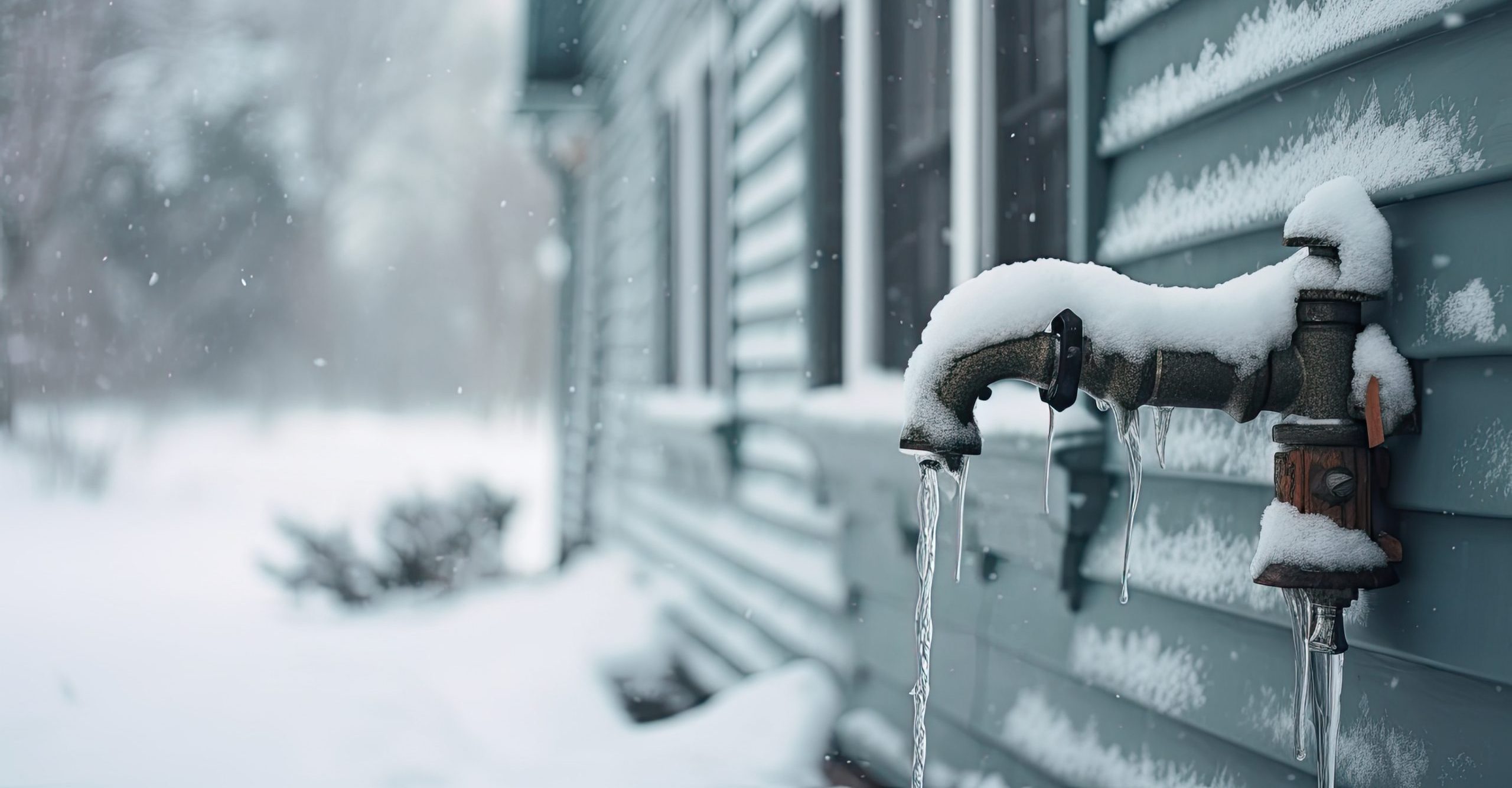
Preventing winter water damage to your residential property requires a proactive approach to both the interior and exterior of the home. Water damage can occur from freezing pipes, roof leaks, ice dams, and inadequate drainage, among other things. Here’s a comprehensive guide to help prevent water damage during the winter months:
Protect Pipes from Freezing
- Frozen pipes are a leading cause of water damage in the winter. When water inside pipes freezes, it expands and can cause the pipes to burst, resulting in flooding and water damage when the pipes thaw.
- Insulate exposed pipes: Use foam pipe insulation or heat tape on any exposed pipes, especially those in unheated areas like basements, attics, garages, or exterior walls.
- Seal cracks and openings: Close up gaps around windows, doors, and pipes where cold air could enter, making these areas more prone to freezing.
- Keep faucets dripping: Let faucets drip during extreme cold spells. Running water is less likely to freeze.
- Open cabinet doors: If you have pipes under sinks or in cabinets, leave the cabinet doors open to allow warm air to circulate around the pipes.
- Shut off outdoor water: Drain and disconnect outdoor hoses, and shut off the outdoor water supply to prevent freezing and bursting pipes.
Maintain Your Roof and Gutters
A well-maintained roof is essential for preventing winter water damage.
- Clean gutters and downspouts: Blocked gutters can lead to water overflowing onto the roof or freezing, causing ice dams that can damage your roof and interior. Clean leaves and debris from gutters, downspouts, and drains before the first snow or freeze.
- Inspect the roof for damage: Look for missing shingles, cracked flashing, or any areas where water might penetrate during snow or ice buildup. Consider hiring a professional to inspect and repair any issues.
- Prevent ice dams: Ice dams form when melting snow refreezes at the roof’s edge, blocking drainage and forcing water under shingles. To prevent ice dams:
- Keep the attic well-insulated to maintain consistent roof temperatures.
- Ensure proper attic ventilation to prevent warm air from accumulating near the roof.
- Consider installing heated cables along the roof’s edge to prevent ice buildup.
Check and Insulate Windows and Doors
Leaks around windows and doors can allow cold air in and moisture to accumulate inside, leading to water damage and mold growth.
- Inspect seals: Check weatherstripping and seals around windows and doors for any gaps or damage. Replace worn or damaged seals.
- Caulk gaps: Seal any gaps between windows, doors, and the exterior of the home with a high-quality caulk to prevent cold air and moisture infiltration.
- Use storm windows or plastic film: For extra insulation, install storm windows or apply plastic window film to prevent drafts and reduce the chance of condensation inside.
Clear Snow and Ice from Paths and Driveways
Snow and ice buildup around your home can lead to water damage as it melts.
- Shovel snow regularly: Clear snow from driveways, walkways, and areas near your foundation to prevent water from pooling.
- Use ice melt or sand: Apply ice melt or sand to driveways, steps, and walkways to prevent dangerous ice buildup and water infiltration.
Inspect and Repair Foundation and Drainage
Proper drainage is crucial to prevent water from pooling around the foundation and causing damage.
- Check for cracks: Inspect your foundation for cracks or gaps, which can allow water to seep in. Seal any cracks or holes with appropriate materials.
- Ensure proper grading: The ground around your foundation should slope away from the house. This helps water to drain away rather than pooling near the foundation.
- Check downspouts and drains: Make sure that gutters direct water at least 3–4 feet away from the house via downspouts. Consider extending downspouts if necessary to prevent water from pooling near the foundation.
Prevent Condensation Inside the Home
Winter brings an increased risk of condensation indoors, which can lead to mold growth and water damage.
- Control humidity: Use dehumidifiers to maintain indoor humidity levels between 30–50%. Excess moisture can cause condensation on windows and walls, leading to mold and mildew growth.
- Use exhaust fans: Run exhaust fans in the bathroom and kitchen to help reduce moisture buildup, especially when cooking or showering.
- Keep air circulating: Use fans to promote airflow, which will help reduce moisture accumulation in closed spaces.
Prepare Sump Pump and Basement
If your home has a sump pump, make sure it’s ready for winter to prevent flooding, especially if you live in an area prone to heavy winter rain or thawing.
- Test the sump pump: Make sure the pump is working correctly by testing it. If you have a battery backup system, check that the batteries are fully charged.
- Clear the sump pit: Ensure that the sump pit is clean and free of debris that could clog the pump.
- Inspect basement windows: Make sure basement windows are sealed properly to prevent water leakage from snow or rain.
Consider a Winter Home Inspection
Before winter fully sets in, it might be worth hiring a professional to perform a winter-specific inspection of your home. This can help catch any issues early and prevent damage down the line.
By taking these steps to prepare your property, you can significantly reduce the risk of winter water damage. It’s about maintaining your home, inspecting vulnerable areas, and being proactive with maintenance to avoid costly repairs late.
